Check 1: power and settings
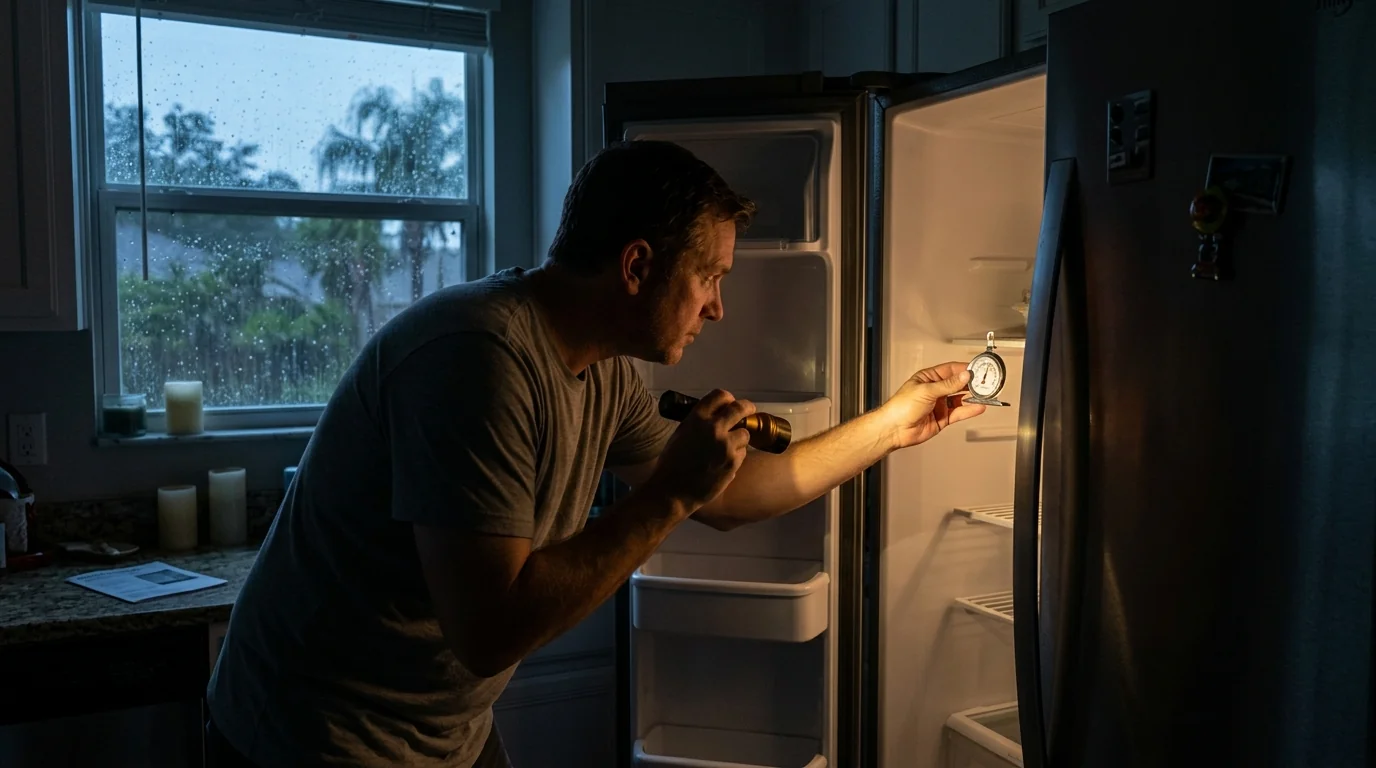
Make sure the refrigerator has power: interior light on, display lit. Check the temperature setting has not been bumped, and that the unit is not in a showroom or demo mode, which runs the lights without cooling on some models. Check the breaker and any GFCI outlet, especially for garage units.
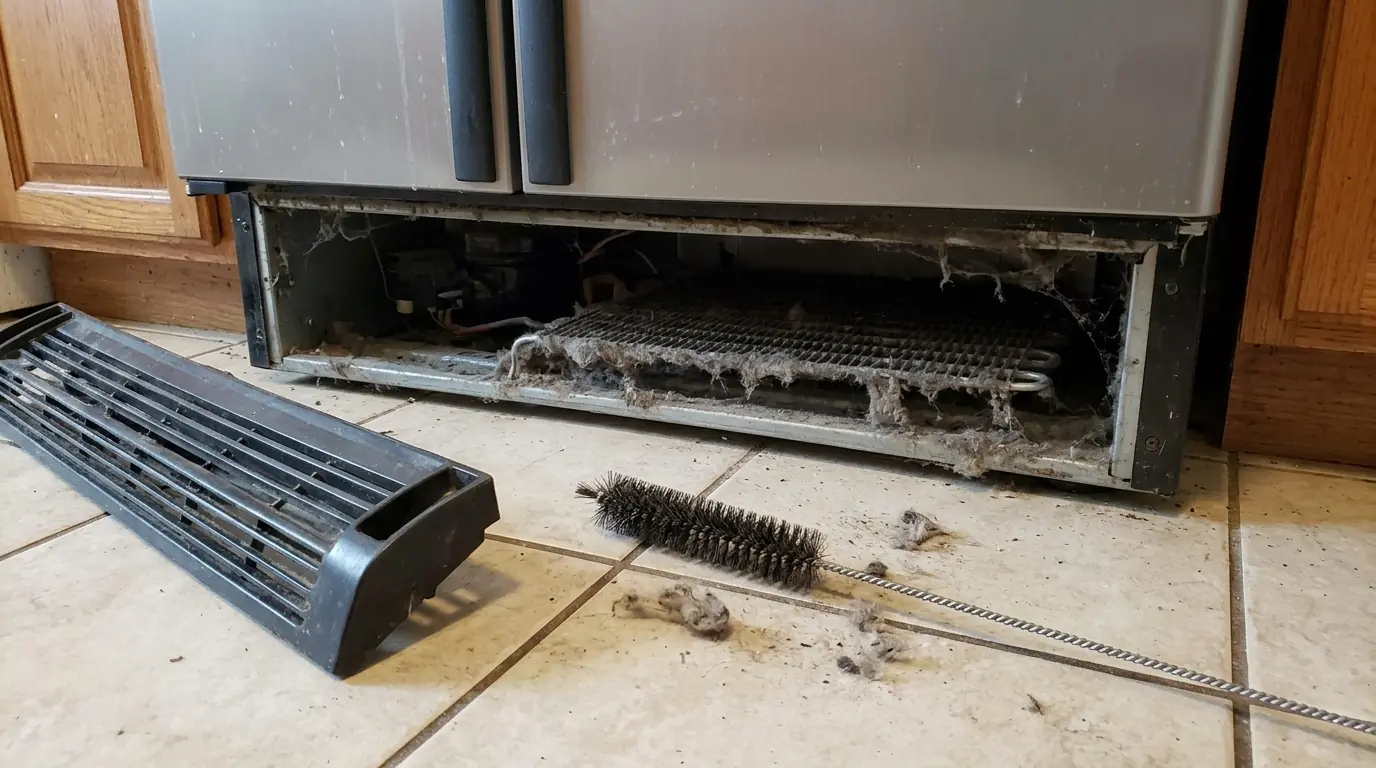
Check 2: the condenser coils
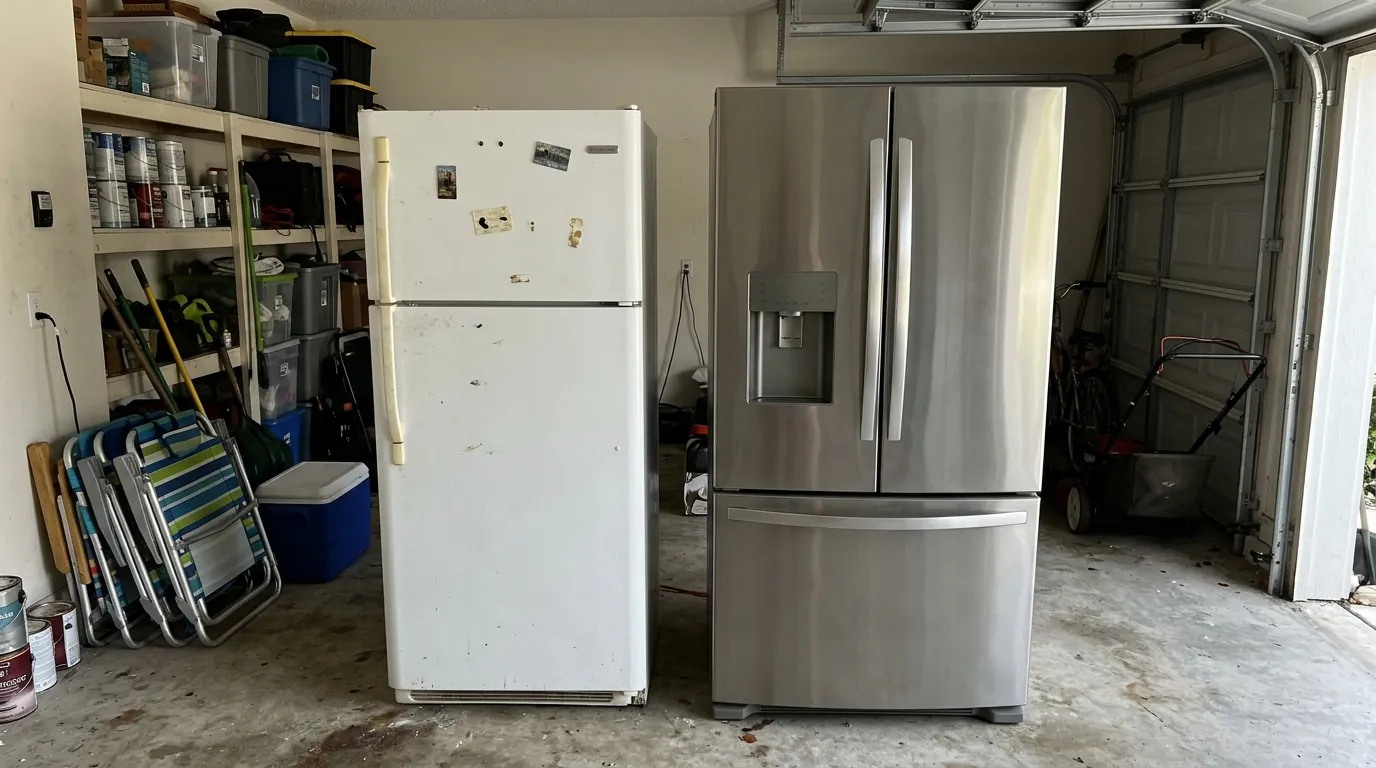
Find the coils, usually behind the base grille at the front or on the back. If they are matted with dust and pet hair, unplug the refrigerator and clean them with a coil brush and vacuum. Dirty coils make the compressor run long and hot and can cut cooling a lot, particularly in a warm kitchen or garage.
Check 3: vents and airflow inside
Cold air reaches the fresh-food side through vents from the freezer. A packed freezer or a box shoved against the vent can block it. Move items away from the vents in both compartments and give the air room to move.
Did a check point to the fan, defrost or relay? Call. Those are usually one-visit repairs.
Call (904) 907-8788Check 4: the door seals
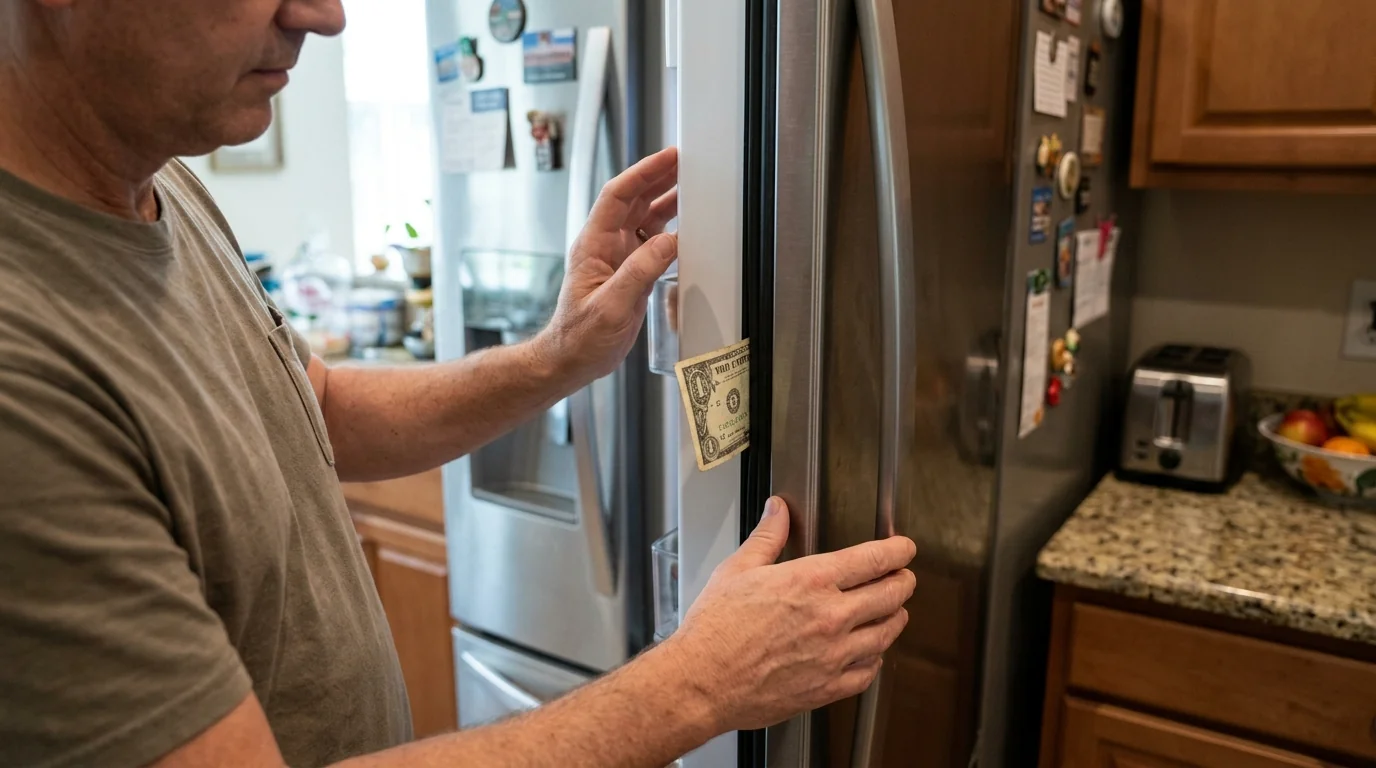
Close the door on a dollar bill and pull it out. If it slides out easily at any point, the gasket is not sealing there. Clean the gasket with warm soapy water. A torn or flattened gasket lets warm, humid air in and causes frost, and it should be replaced.
Check 5: listen and look
Open the freezer and listen for the fan; it should run when the door switch is pressed in. Look at the freezer's back panel. Heavy frost there means the defrost system has failed. A click every few minutes with no hum from the back means the compressor is not starting.
Silent fans, heavy frost and clicking are all repairs for a technician. They are also usually single-part repairs: a fan motor, a defrost heater or a start relay.