Why outages are hard on appliances
Long outages are a real part of life here. When Hurricane Irma came through in 2017, about 284,000 JEA customers lost power at the peak and restoration took days. Shorter summer thunderstorm outages happen far more often.
The outage itself rarely hurts an appliance. The trouble comes when power returns: voltage can spike or sag, and every compressor in the neighborhood tries to start at the same time. Control boards, start relays and fuses take the hit.
First hour: refrigerators and freezers
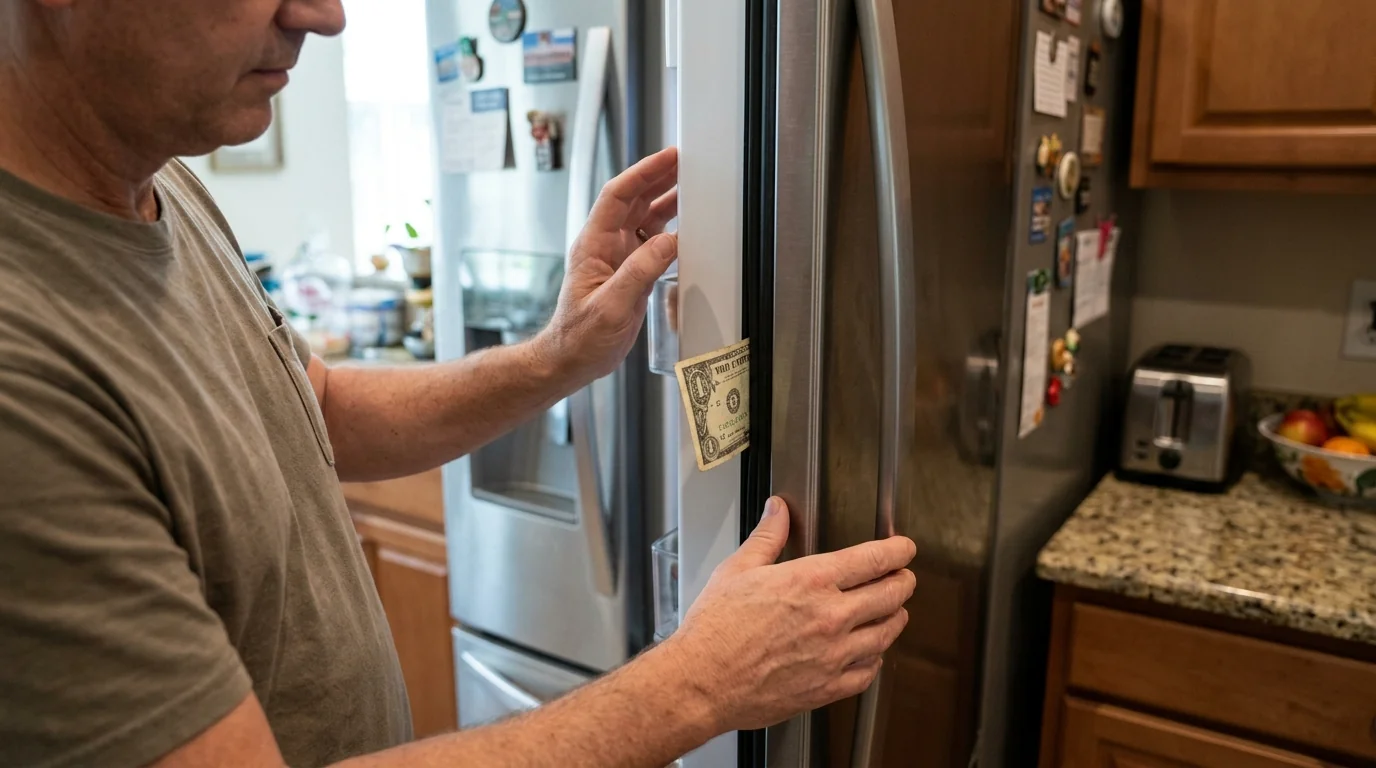
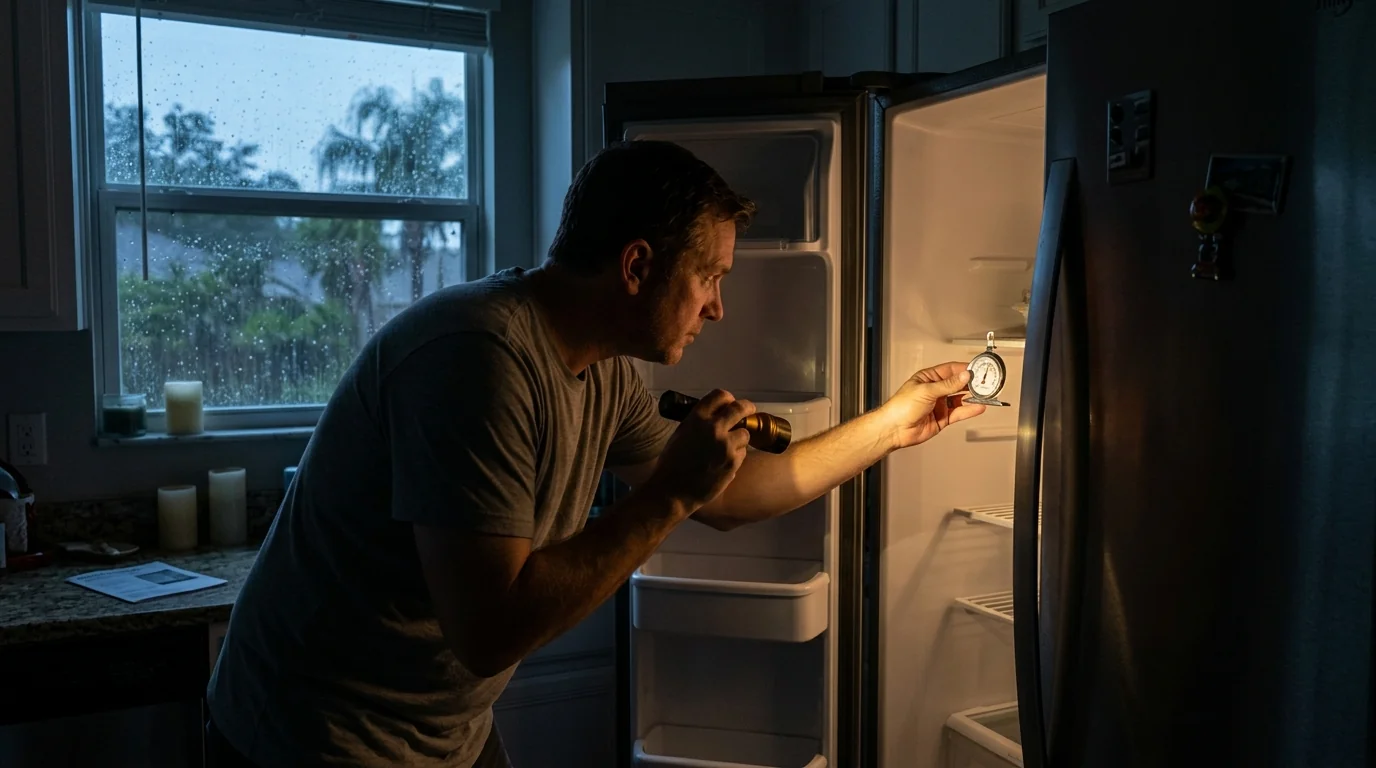
Listen for the compressor and fans starting within a few minutes. Check that the freezer feels colder within an hour. If you hear a click every few minutes with no hum, the start relay or overload is struggling, which is a common post-outage failure.
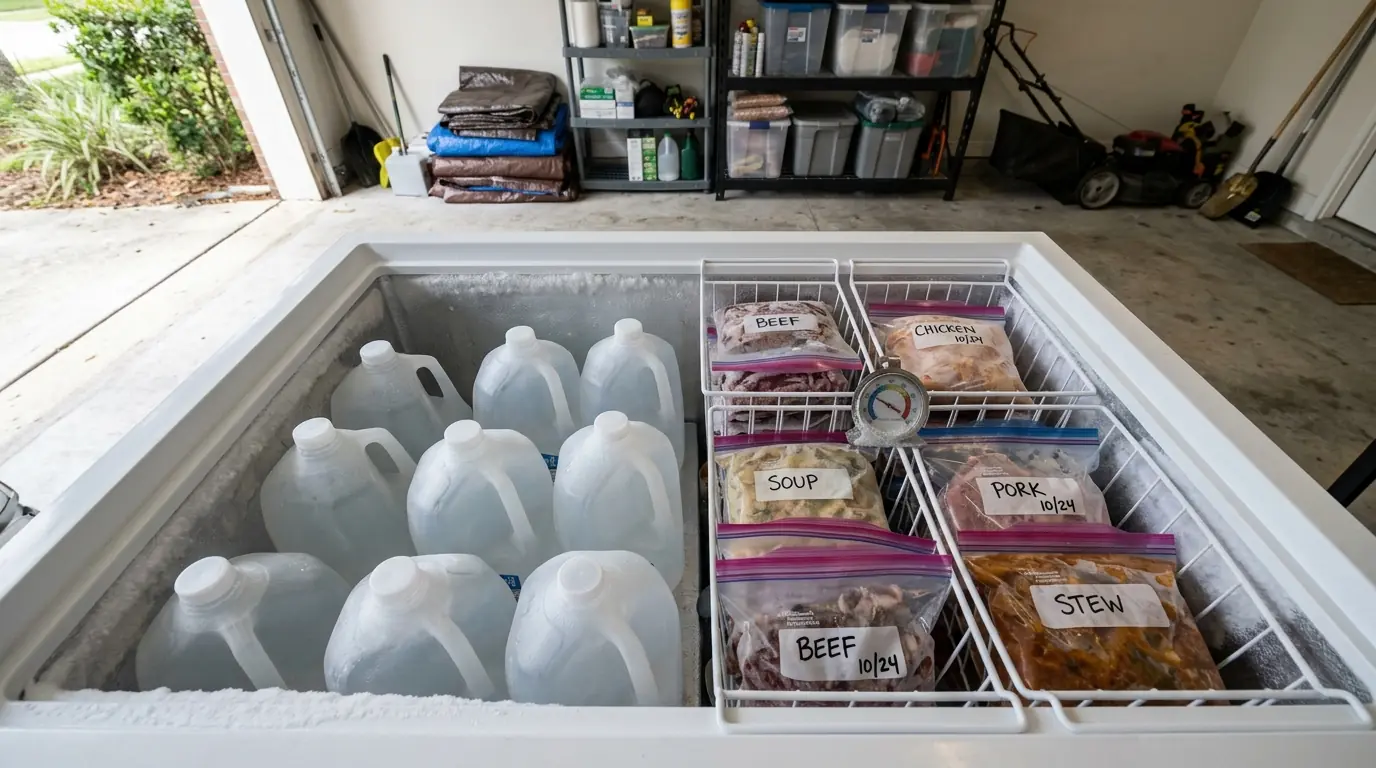
Keep the doors closed until it is cold again. A full freezer kept shut holds food frozen for about two days, a half-full one about one, and a refrigerator about four hours. When in doubt about thawed food, throw it out.
Electronic appliances that act strangely
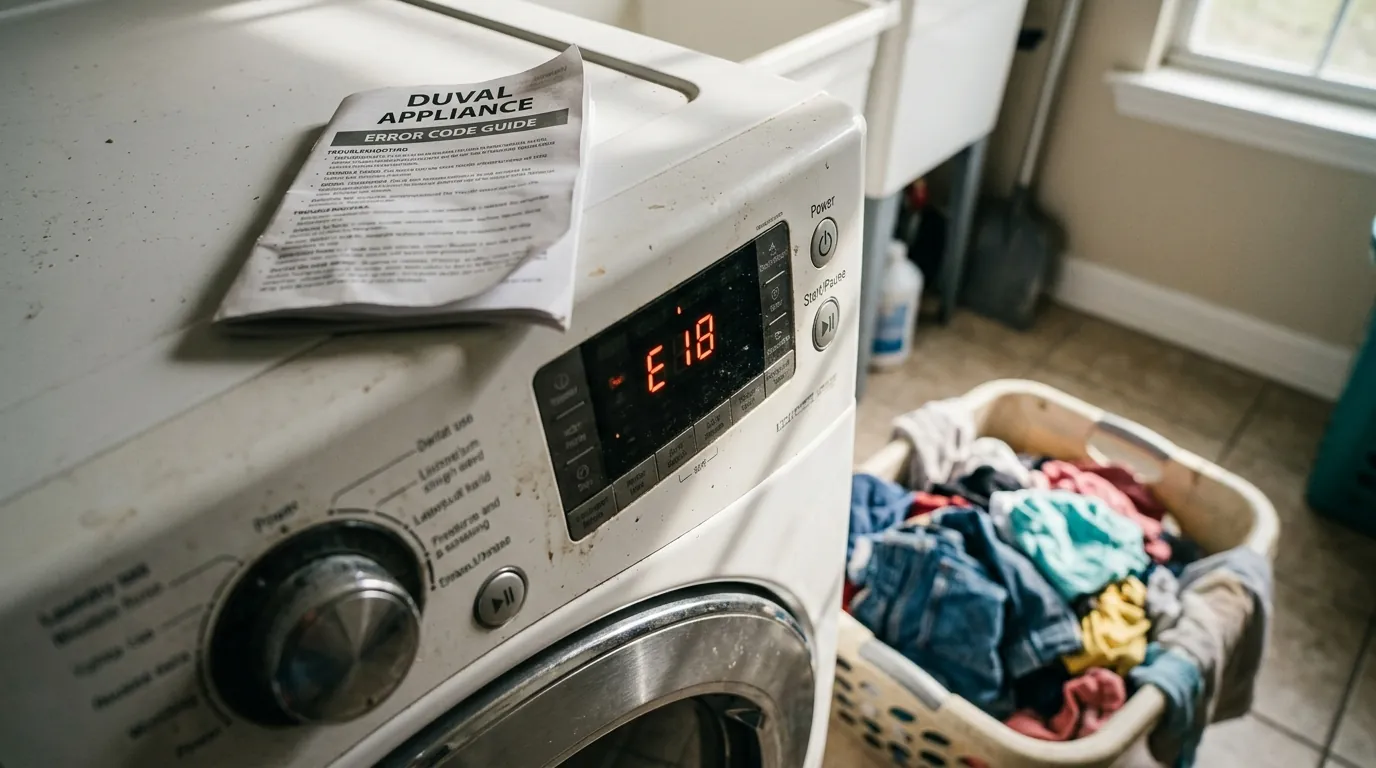
Washers, dryers, dishwashers and ovens with digital controls sometimes come back with scrambled displays, lost settings or error codes. Turn the appliance off at the breaker for a minute and back on. That clears many glitches.
If the display stays dark, the appliance will not start or the same error returns, the control board or its power supply may be damaged. That is a repair for a technician.
Appliance dead after the storm? Check breakers first, then call. We answer 24/7.
Call (904) 907-8788Breakers, outlets and GFCIs
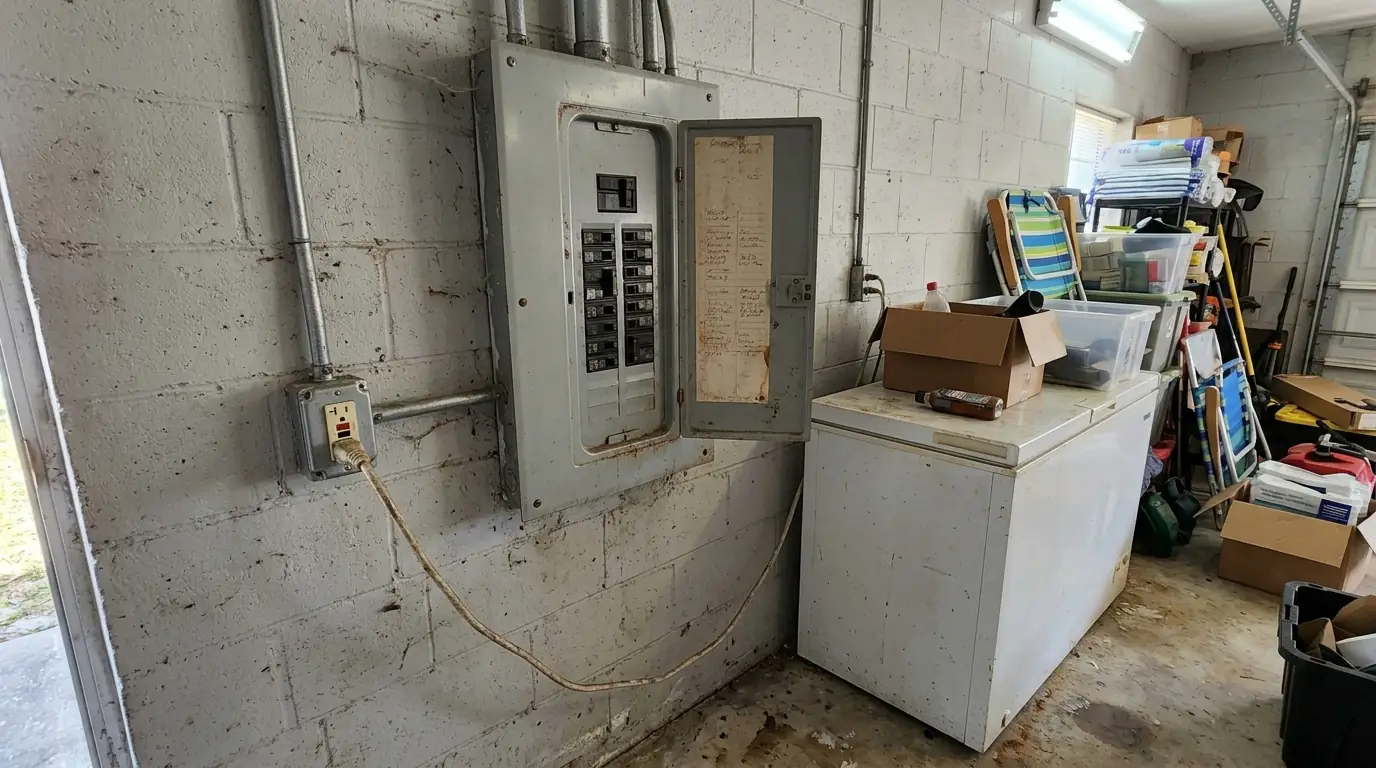
Before assuming the appliance failed, check the breaker panel and any GFCI outlets nearby, especially in kitchens, laundry rooms and garages. A tripped GFCI in the garage is the most common reason a garage freezer stays off after a storm.
Electric ranges and dryers use double breakers; one half can trip while the other stays on, leaving the appliance partly working.
Protecting appliances before the next storm
Appliance-rated plug-in surge protectors help refrigerators, microwaves and washers. A whole-home surge protector installed at the panel by an electrician protects 240-volt appliances too. During a lightning storm, unplugging electronics and smaller appliances is sensible. Keep the refrigerator plugged in unless you are leaving.