Codes point at systems, not parts
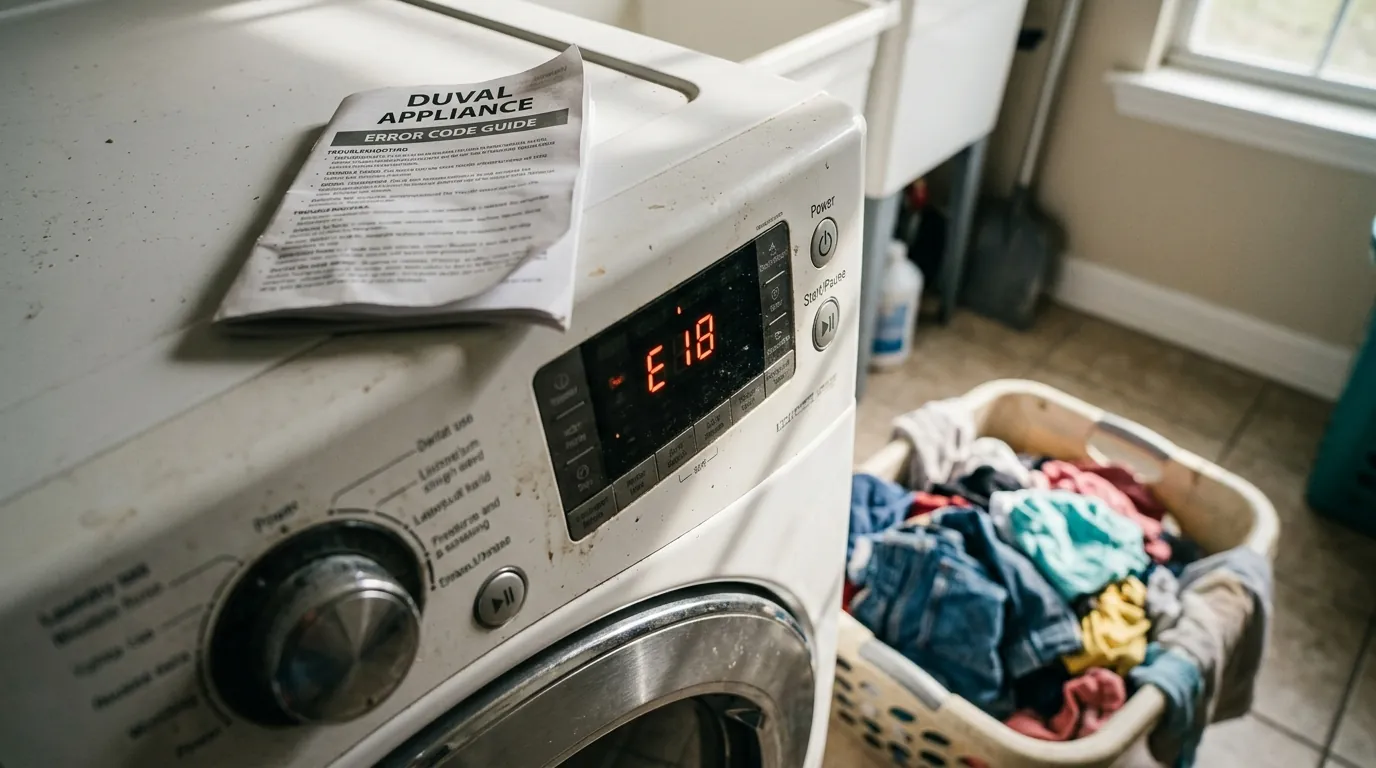
A drain code says water did not leave in time. It could be a clogged filter, a kinked hose or a failed pump. A heating code says the appliance did not reach temperature, which could be an element, a sensor, a fuse or a control. That is why the code is a starting point for diagnosis, not the answer.
Codes also differ between brands and even between model series from the same brand. The same two characters can mean different things on two washers.
Washer codes you will see most
On LG washers, OE is a drain error, IE a water inlet error, UE an unbalanced load, LE a locked motor and dE a door error. On Samsung washers, 4C is water supply, 5C is drain, dC is door and UB is unbalanced, with E versions on some models. Whirlpool and Maytag front-loaders show F9 E1 for a long drain and F8 E1 for a long fill.
Drain codes often clear after cleaning the pump filter. Inlet codes often clear after checking the faucets and inlet screens. Unbalanced codes usually clear by redistributing the load. If they return, a part has failed.
Dryer, dishwasher and oven codes
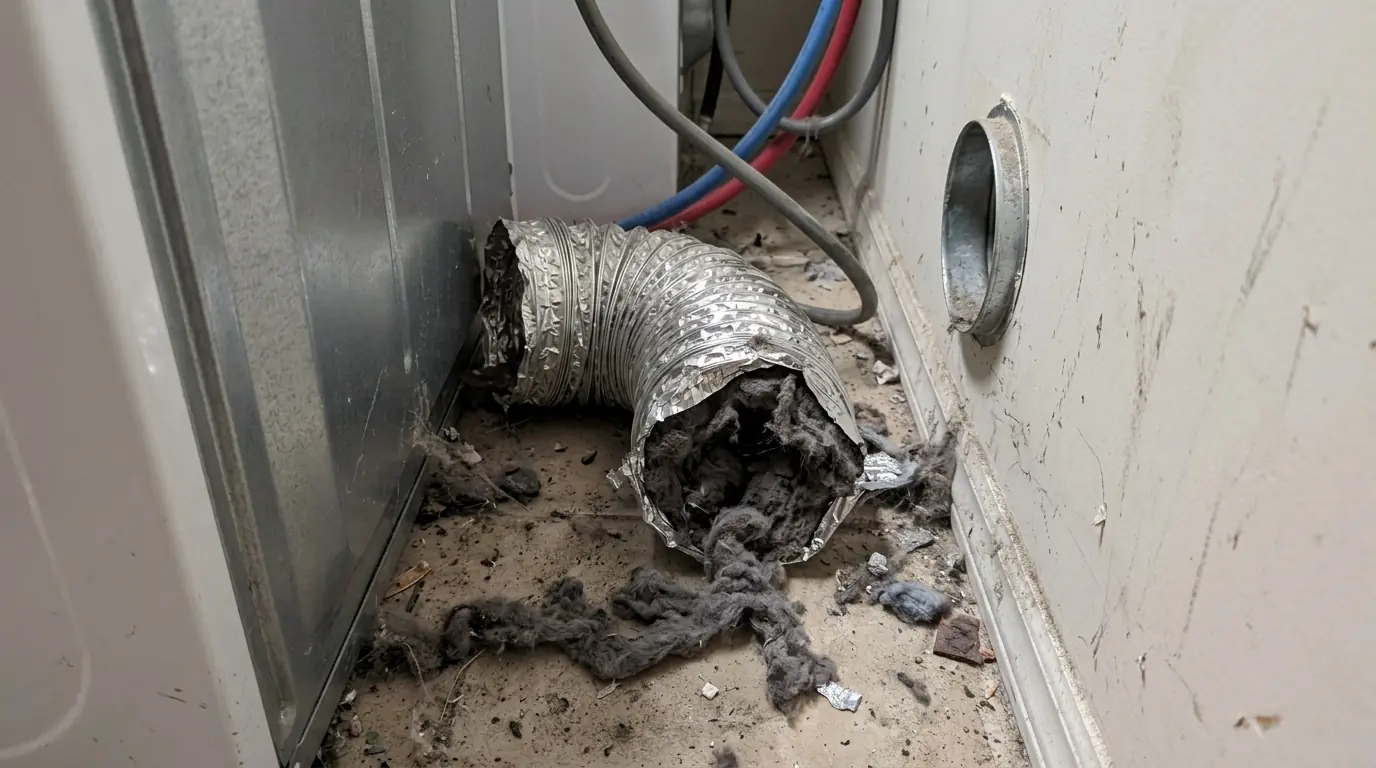
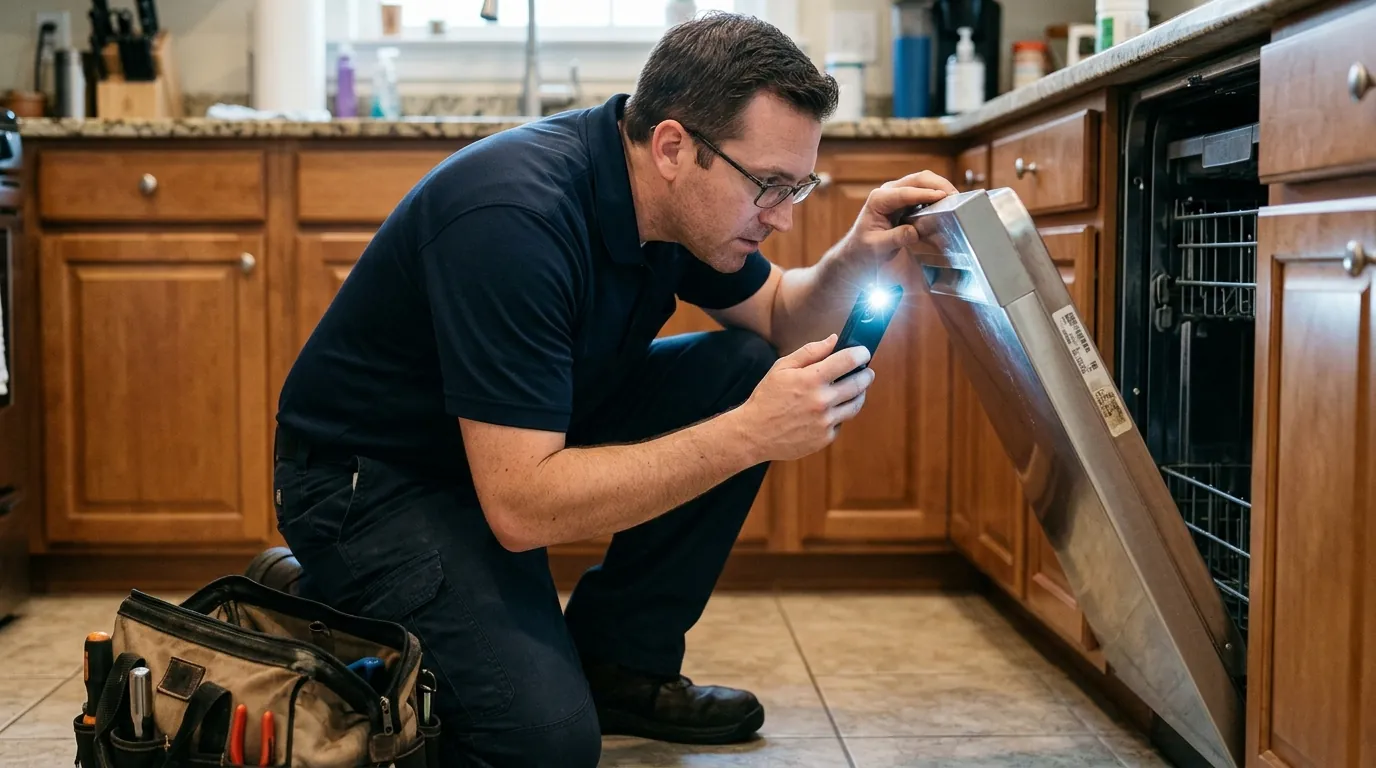
LG dryers with Flow Sense show d80, d90 and d95 to estimate how restricted the vent is. Samsung dryers show hE for a heating error. Bosch dishwashers show E15 when water has reached the base pan, E24 for a drain problem and E25 for a blocked drain pump. GE ovens show F3 for an open temperature sensor and F2 for an over-temperature condition.
Vent codes call for a vent cleaning. Heating, sensor and leak codes call for a technician.
Code keeps coming back? Write it down with the model number and call.
Call (904) 907-8788Codes you can safely clear yourself
Clean a clogged washer pump filter. Rebalance a load. Open both washer faucets. Clean a dryer lint screen and check the outside vent hood. Clear a dishwasher filter. Turn the appliance off at the breaker for a minute to reset a control after an outage. If the code disappears and stays gone, you have solved it.
When to call
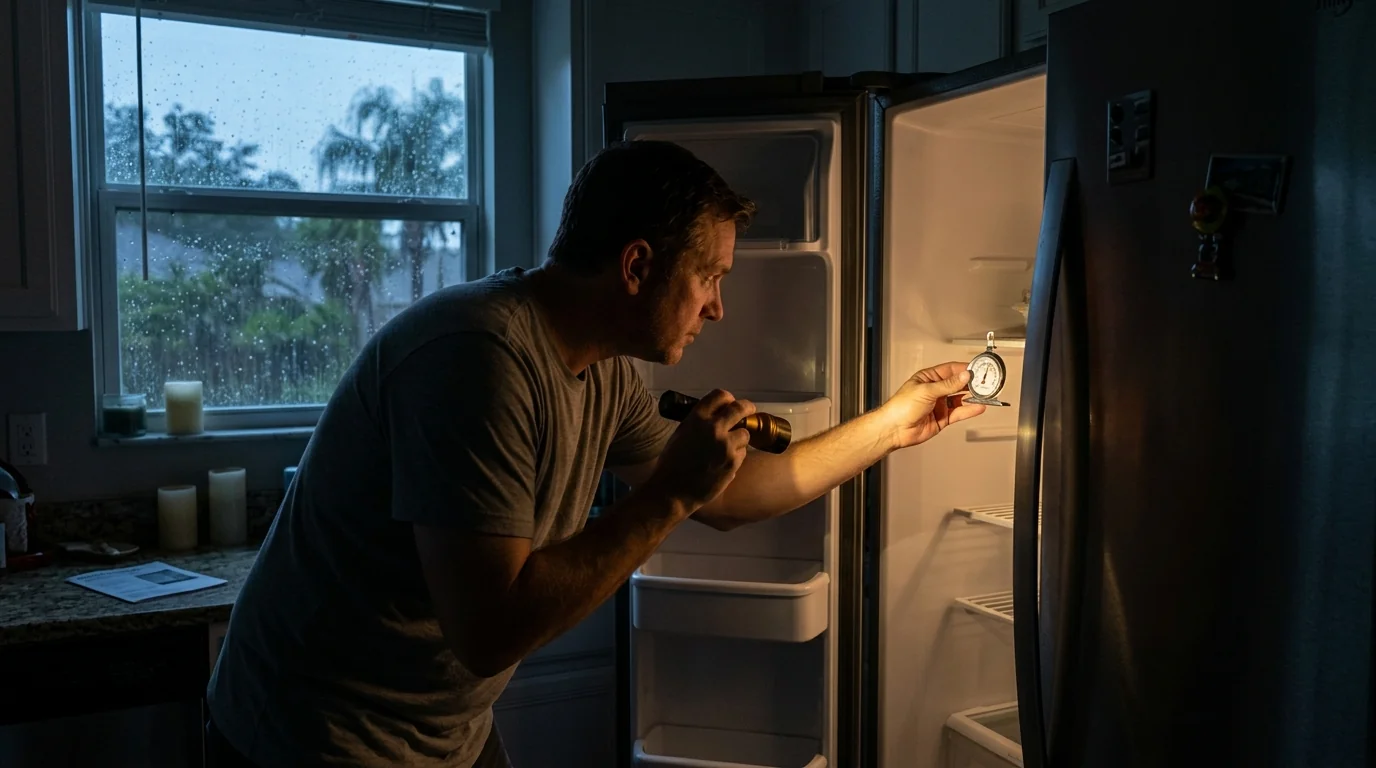
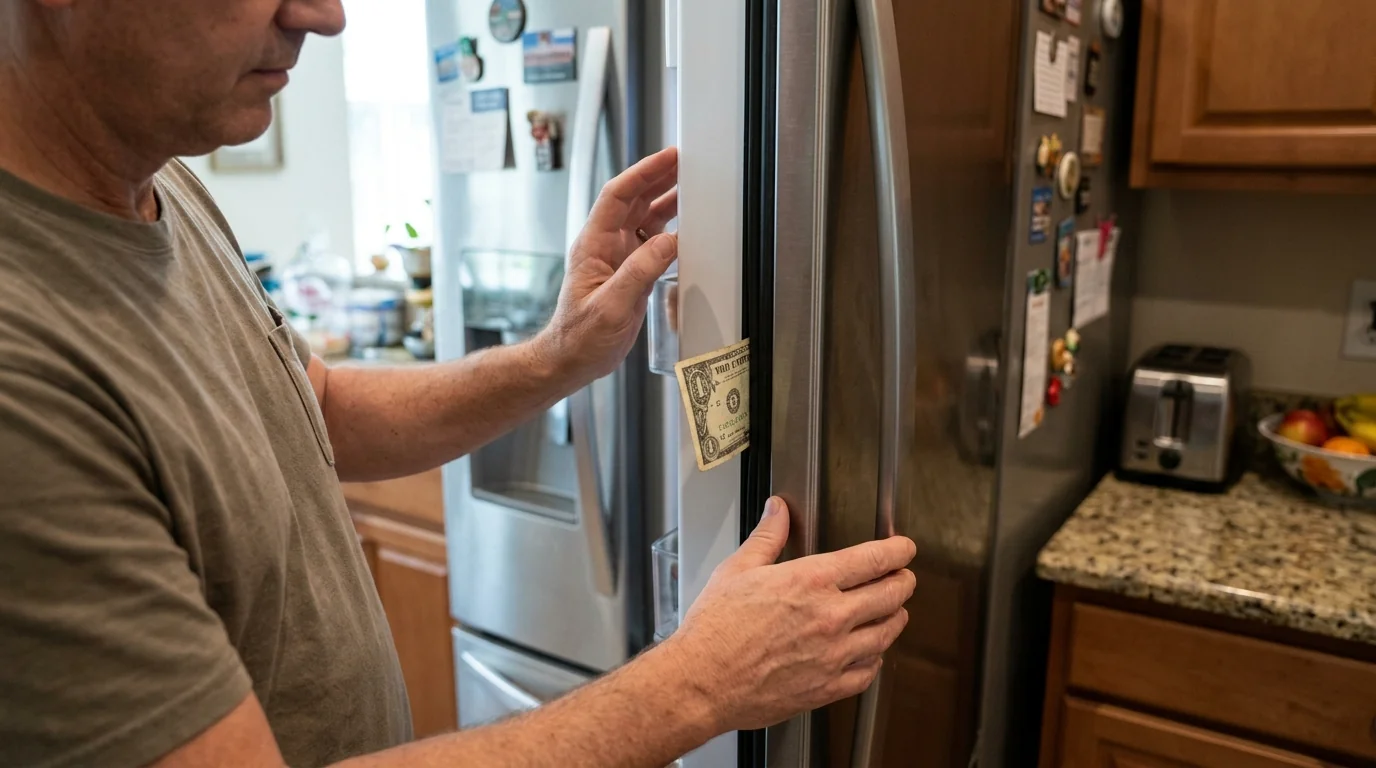
Call when a code returns after the simple fixes, when there is water on the floor or in a base pan, when an oven reports over-temperature, when a dryer shows a heating error, or when a refrigerator shows a fan or defrost error. Write the code down exactly, with the model number, and read both to us when you call. That often lets us bring the right part on the first visit.