What salt air does
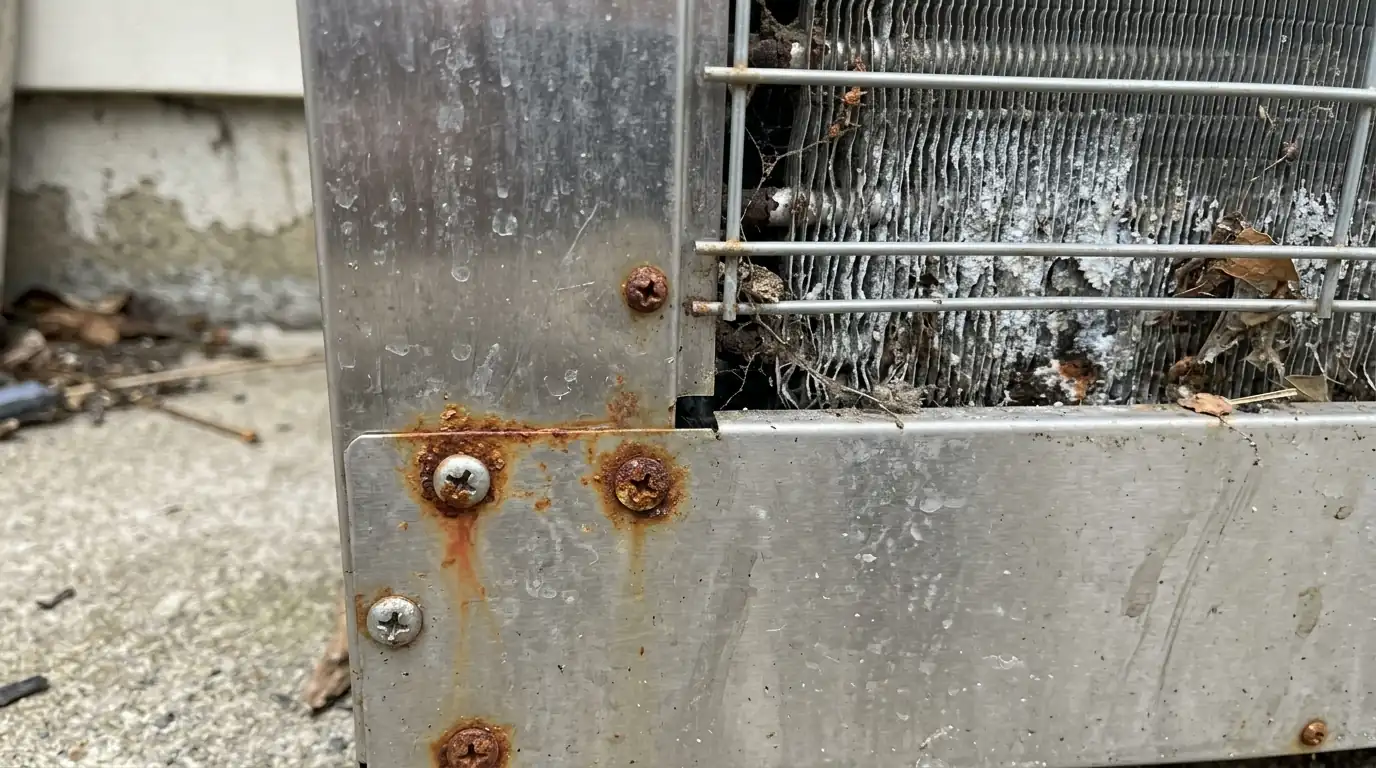
Homes near the ocean at Jacksonville Beach, Atlantic Beach, Neptune Beach and Ponte Vedra Beach breathe salt-laden air. The salt settles on metal and holds moisture against it, which speeds rust on steel, pitting on aluminum fins and green or white crust on copper and connectors.
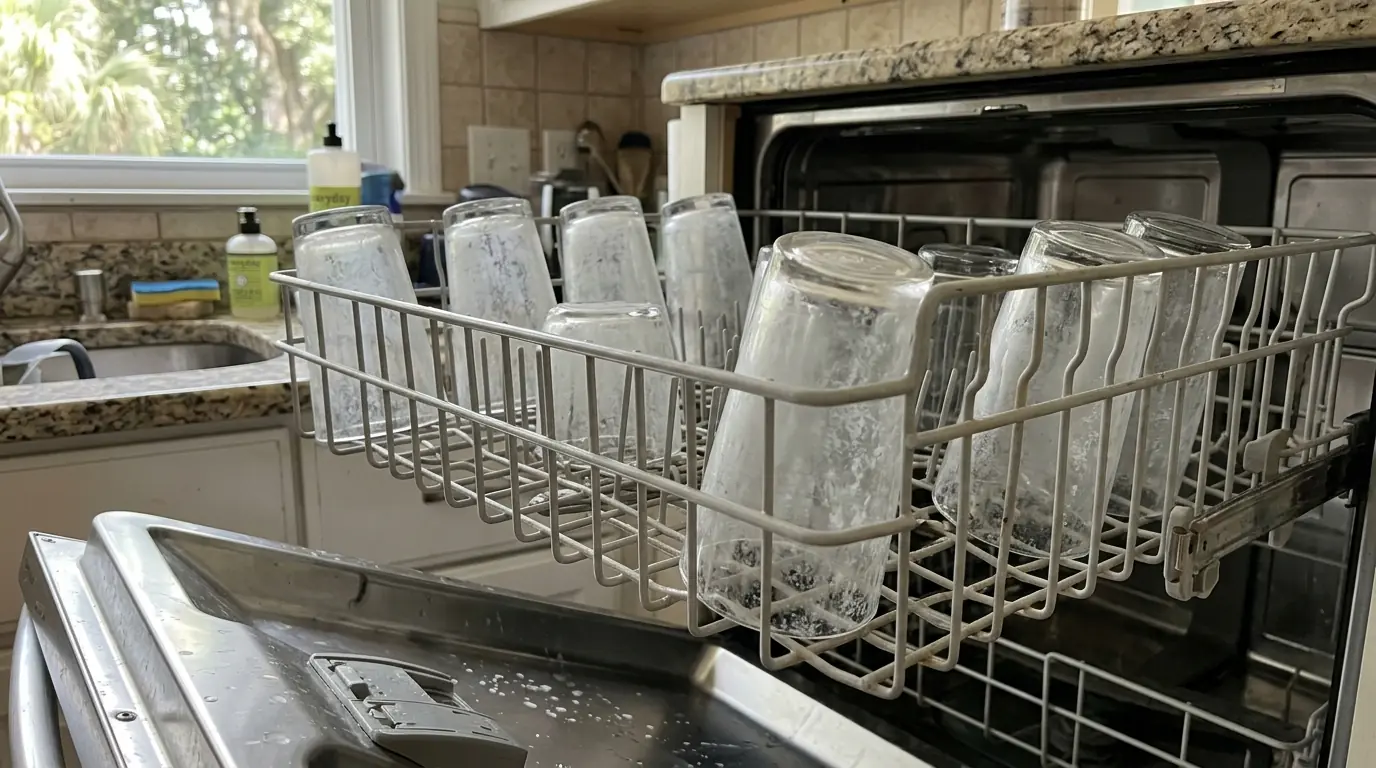
Indoors, the effect is milder but real, especially for appliances near open doors and windows or in garages.
Appliances that show it first
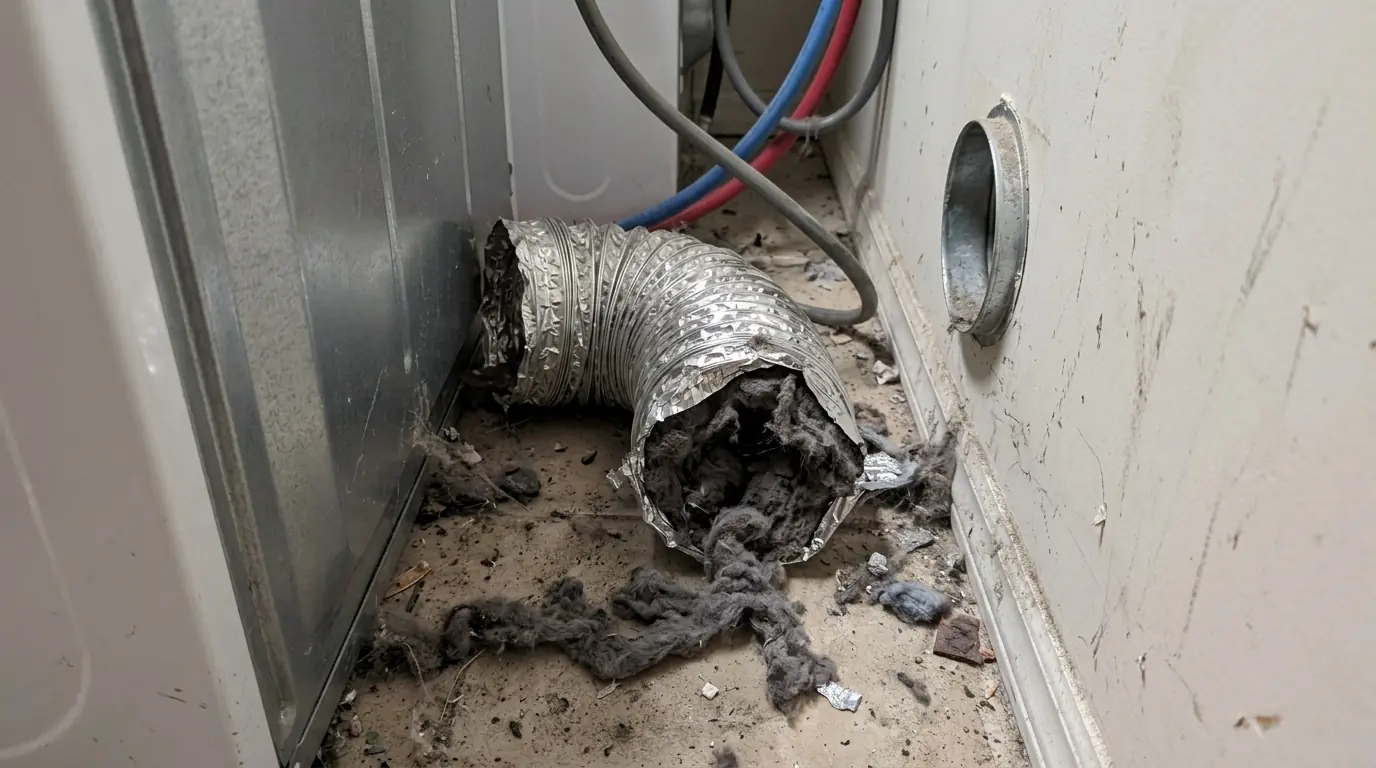
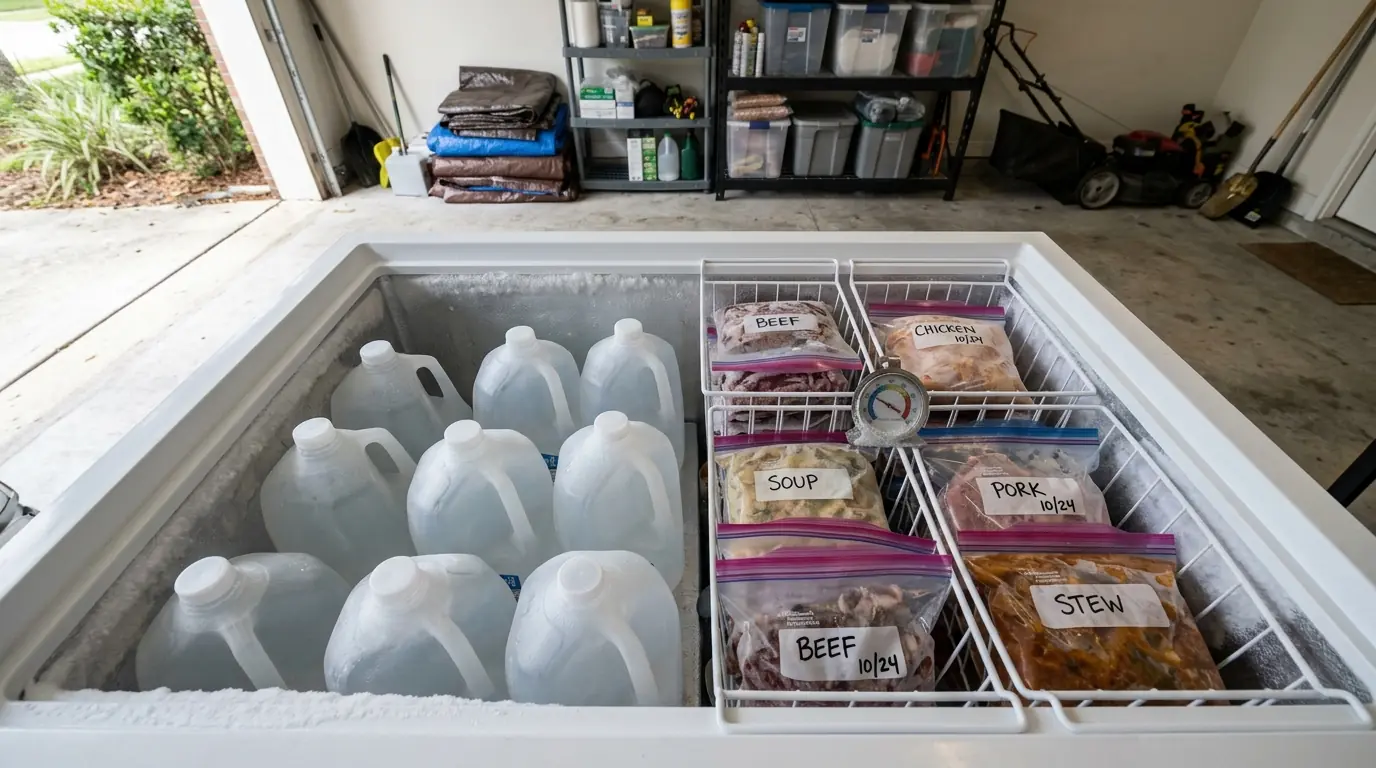
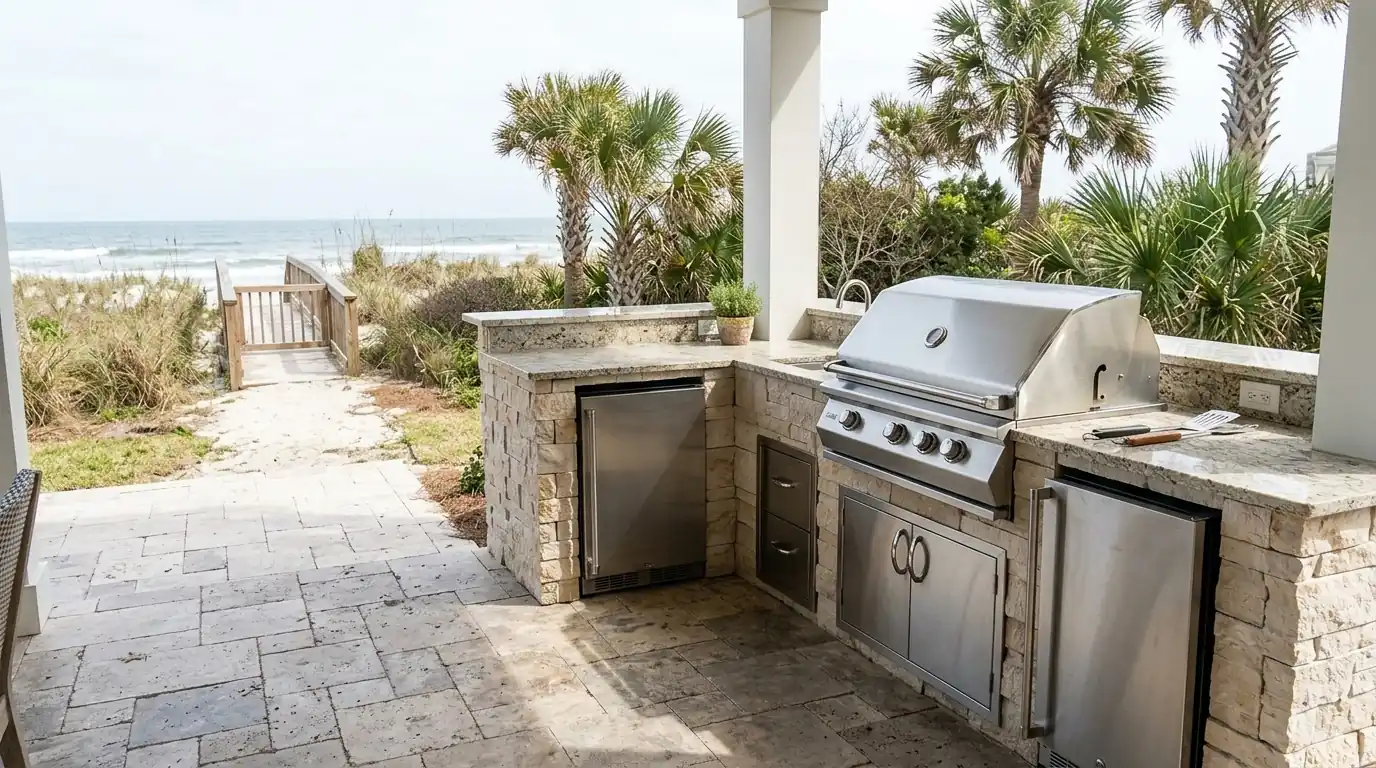
Outdoor kitchens take the most: outdoor refrigerators, ice makers and gas grills sit in salt air every day. Garage refrigerators and freezers come next, along with their condenser coils. Dryer vent hoods on exterior walls corrode and stick. Inside, refrigerator condenser fins and the screws holding panels show early rust.
Early warning signs
Rust spots on fasteners and panels, chalky white or green crust on wire connections, a refrigerator or outdoor fridge that runs longer than it used to, a dryer vent flap that sticks partly closed, and grill burners that light unevenly as ports corrode.
Outdoor fridge or grill corroding? Call. We repair outdoor kitchens across the beaches.
Call (904) 907-8788A care routine for beach homes
Rinse outdoor stainless surfaces with fresh water and wipe them dry regularly. Keep outdoor appliances covered when not in use. Clean condenser coils on refrigerators and outdoor units more often than inland homes would. Check the dryer vent hood flap every few months. Replace rusted screws with stainless ones when you see them.
Choosing appliances for the coast
Outdoor-rated appliances are built for weather and should be the only kind installed outside. Indoor refrigerators used outdoors fail early. For grills, higher grades of stainless resist corrosion better. When we repair appliances near the beach, we look at the whole unit for corrosion, not only the failed part.